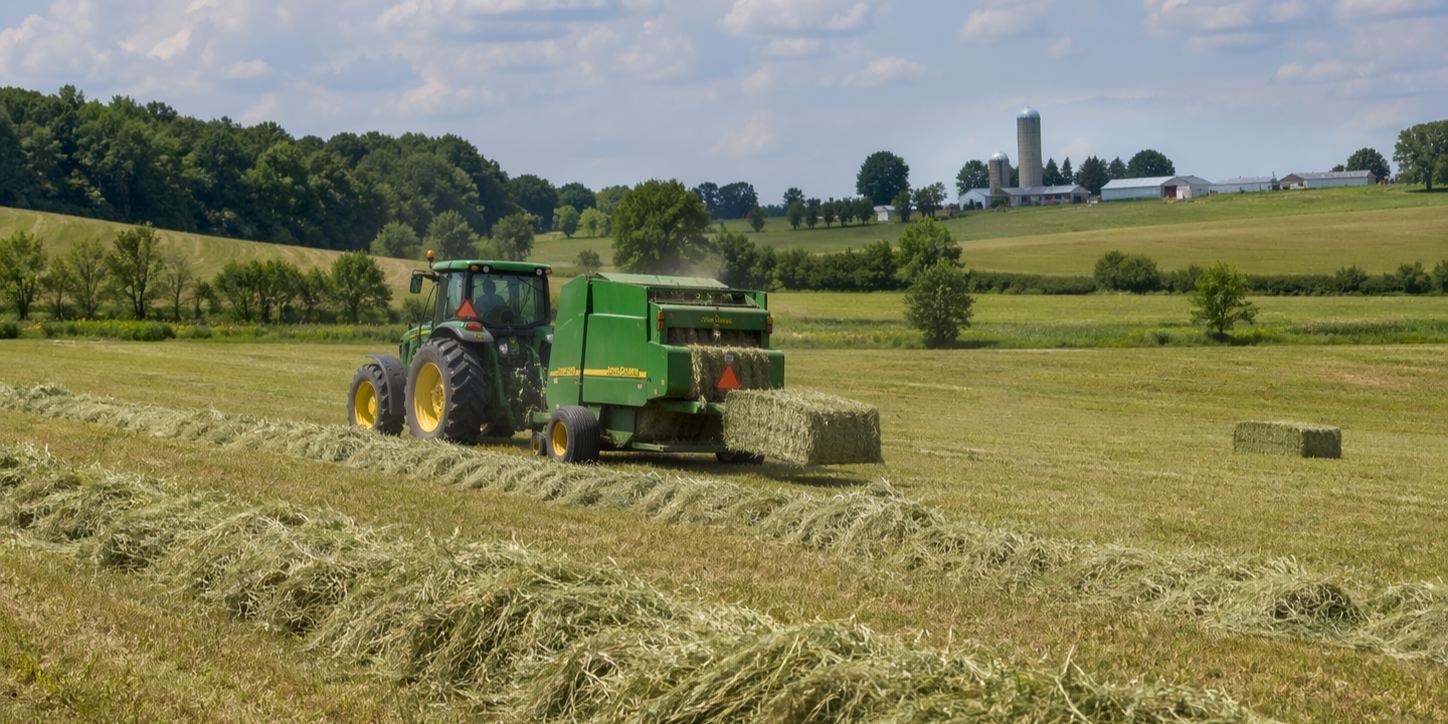
If, like us, you live in a farming household, your floors put up with a lot.
It’s not just the odd muddy footprint after a rainy day. It’s chore boots coming in from the yard every morning and every evening. It’s the dog chasing the other dog chasing the chicken around the porch while the raccoon family looks on and steals the cat’s dinner. It’s the innumerable wisps of hay that work their way into your clothes every single day.
We know. For farming families in Flamborough and Puslinch – and well, wherever you live – this is just part of everyday life. Our homes will never be 100% free from dirt. Let’s throw that unrealistic expectation straight out the door.
However, the good news is, you don’t need an overcomplicated cleaning routine (because, let’s face it, you do not have time for that!). Here are a few cleaning tips we use in our own home to keep it as clean as real life allows.
How to clean mud from your floors
Work boots. Rubber boots. Kids’ shoes. Paws. Bare feet. Anything that crosses your yard, uses a tractor, or just has feet will track in mud. (Especially this April – what a lot of rain!)
The back door, side entrance, mudroom, utility room, or path into the kitchen usually take the worst of it.
The main mistake I hear people making is trying to mop mud straight away. When it’s still very wet, it’ll smear across the floor and leave a gritty film. That actually makes your room look dirtier and the whole job take longer.
Instead, a better approach is to let the mud dry slightly – especially if it’s very sloppy (gross!). Once no longer soaking wet, lift away the thick clumps of mud first, using a dustpan edge, scraper, or paper towel. Throw it back outside where it belongs. Waste not!
After that, sweep or vacuum the area to remove any remaining grit and loose soil before you add any moisture. Once the loose debris is gone, go over the floor with a damp, flat mop. You want just enough moisture to lift the remaining residue, but not so much that you slosh dirty water around the room.
Also, in farming family homes like yours, heavy-duty mats, a proper boot tray, and a clear place for outdoor footwear can make a big difference before the cleaning even begins.
How to clean straw from your floors
Straw, hay, and all manner of other grassy debris don’t make as much visible mess as mud. But they can be just as irritating – because it gets absolutely everywhere (under chairs, along skirting boards, into cupboards, woven into clothing, and generally all through your house) and because it can irritate your airways.
So, when you notice a buildup of straw or hay, begin with the vacuum or broom. Once it gets damp, it clings to the floor and breaks into smaller bits, which only makes it harder to remove. Leave mopping until you’ve finished gathering up all the straw and fine dusty bits (which is why I generally prefer a vacuum over a broom!). With all the visible remnants removed, only now should you use a damp mop to remove the rest.
Prevention helps a lot here too. Shaking out chore coats, overalls, and farm clothes outside can save a surprising amount of cleaning later on. Even if the mudroom or entryway is the only place straw and hay collect, that still goes a long way towards keeping the rest of the house under control.
How to clean farm dust from your floors
Farm dust. To someone who doesn’t live on or near a farm, it might sound like a made-up entity. But as you and I know, ‘tis not.
Farm dust is very fine. It floats through the air and settles on our clothes and our skin and drifts through the open windows. It builds up slowly and quietly – and because farm dust is an unavoidable part of farm life, it always comes back.
The best way to tackle farm dust is to clean from the top down. I strongly recommend a 10-foot duster (or longer, if your house demands it). Start by dusting the ceilings (if possible), then move on to the trim, then the entire wall surface, then the skirting boards. After that, vacuum the floors.
Again, I suggest using a vacuum over a broom. Sweeping propels all those fine particles all over the house. While you certainly collect the worst of it, you’ll find all the airborne dust resettles elsewhere in your home.
After that, use a slightly damp mop to pick up the final dusty layer. If you notice the mop water getting dirty, dump it and refill it with fresh water and product.
Here are the most important areas to check for farm dust in your farmhouse:
- Near your primary doorway
- The corners and edges of rooms
- Under tables and benches
- In areas where outdoor pets live
- Near windows you keep open in summer
Vacuuming over sweeping
In most homes, I usually prefer vacuuming over sweeping, followed by mopping (find a quick note on hardwood floors in the next section). That’s even more important in the farming communities around us, in Flamborough and Puslinch, because there’s so much more than standard dust.
The main reason is that sweeping simply doesn’t collect anywhere near as much fine dust or dirt as vacuuming. Ideally, your vacuum should have a HEPA filter, which is more effective at trapping smaller particles.
That said, your vacuum only does its job if it’s looked after. I recommend getting a vacuum with washable filters. Every month or so, rinse them through (using your shower or mudroom sink). They usually need at least 24 hours of drying time before you refit them. Check the manufacturer’s instructions.
And I don’t mean to suggest that a broom is a useless antique. Not at all. It still has its place. Sweeping is still handy in places where you don’t have power or where it’s simply not practical to drag your vacuum out. This may include your mudroom, sunroom, outbuildings, stables, or barns.
Sweeping is also a better option in the early morning, late at night, or anytime somebody in your home is asleep, working from home, or needing a bit of quiet.
What to do if you have hard floors
Lots of farmhouses around us have hardwood floors – occasionally very old hardwood floors. So I thought it would be relevant to quickly mention what to do here.
If you have real hardwood floors, be careful with water. Too much moisture will dull the finish and damage the wood. As such, it’s very important to avoid soaking the floor or using a steam mop. If anything wet gets brought in, clean it up quickly with a towel or paper towel.
In farming homes, specifically, you have to watch out for extra grit, especially fine grit. This wears down the finish and exposes the wood underneath. Once again, the best approach is to start with a vacuum, covering every inch of your floors (even if they look dirt-free to the naked eye).
Then, mop with a barely damp microfibre pad. Personally, I suggest using water over those one-time-use pads (because these are much more likely to scratch your floor). However, do ensure you wring your mop head out as much as possible. Crucially, use a floor cleaning product specifically developed for hardwood, not a general floor cleaner.
Be careful with polish on hardwood floors. If it is not the right product for that floor, it can build up and create problems later. If the floor looks dull, start with the right hardwood cleaner first. After a few cleans, the finish may start to look better again. (If not, then move on to polishing, ensuring you find the right finish for your floors.)
A realistic floor-cleaning routine for farming families
You live on a farm. You don’t need an Instagram show-home cleaning routine. You need something that works in a lived-in, worked-out-of house where people come and go all day.
You don’t need to deep-clean every floor every day. Let’s be honest, that’s a losing battle and a waste of your energy. However, for most rural households, staying on top of the hardest-working areas is a perfectly achievable goal.
Obviously, we’re all different. But if you’re looking for a rough example to build on, here’s what I might recommend:
Every day:
Pick up any obvious straw, dried mud, or clumps of dirt. Vacuum or sweep any severely-hit spots. If there are wet paw prints, muddy marks, or dusty patches left behind, do a quick light mop of those areas rather than the whole floor.
Every 2 to 3 days:
Vacuum the floors. Go over the entire floor space, not just the visible mess. Focus especially on corners, edges, under benches, around boot trays, and along the route people usually take in from outside.
(Here’s where, used properly, an automatic vacuum cleaner robot can be very beneficial. It helps you stay on top of dust and hair, in particular. However, don’t expect it to replace your vacuuming.)
Once a week:
Mop the floors, especially the dirtiest and dustiest areas. This is also a good interval for shaking out mats, emptying boot trays, and dusting or wiping down the surfaces around your entrances.
Once a month:
Move the lighter furniture you can safely shift, then clean underneath and along the skirting boards. Dust the walls and ceilings. Clean your vacuum filters and mop heads (as per the manufacturer’s recommendations).
Seasonally or as needed:
In wetter months, you may need to clean the entrance floors more often because mud will build up faster. In drier periods, you may find yourself dealing with more fine dust instead. In winter, the main issue will most likely be salt and dirt tracked in via snow.
Need help keeping on top of it?
Here at The Little Mop, we understand that farmhouse cleaning is completely different from a pristine, low-traffic town home. There’s just so much more going on.
That’s why we offer practical house cleaning in Flamborough, Puslinch, and the areas around southern Milton, southern Guelph, St. George, and western Hamilton. As your neighbour – and as farm residents ourselves – we know what cleaning your farmhouse needs.
Benefit from our friendly service, fixed price guarantee, and regular service discounts. We can work around your farming schedule, whether that means cleaning when you’re out in the fields or waiting for you to get back from the school run.
Whether you want regular support or an occasional deep clean, we’re here to make your home feel fresher, cleaner, and easier to manage. So, if you’re looking for professional home cleaning in Flamborough and Puslinch, get in touch with me at The Little Mop today! I look forward to hearing from you and meeting you!
Leave a Reply