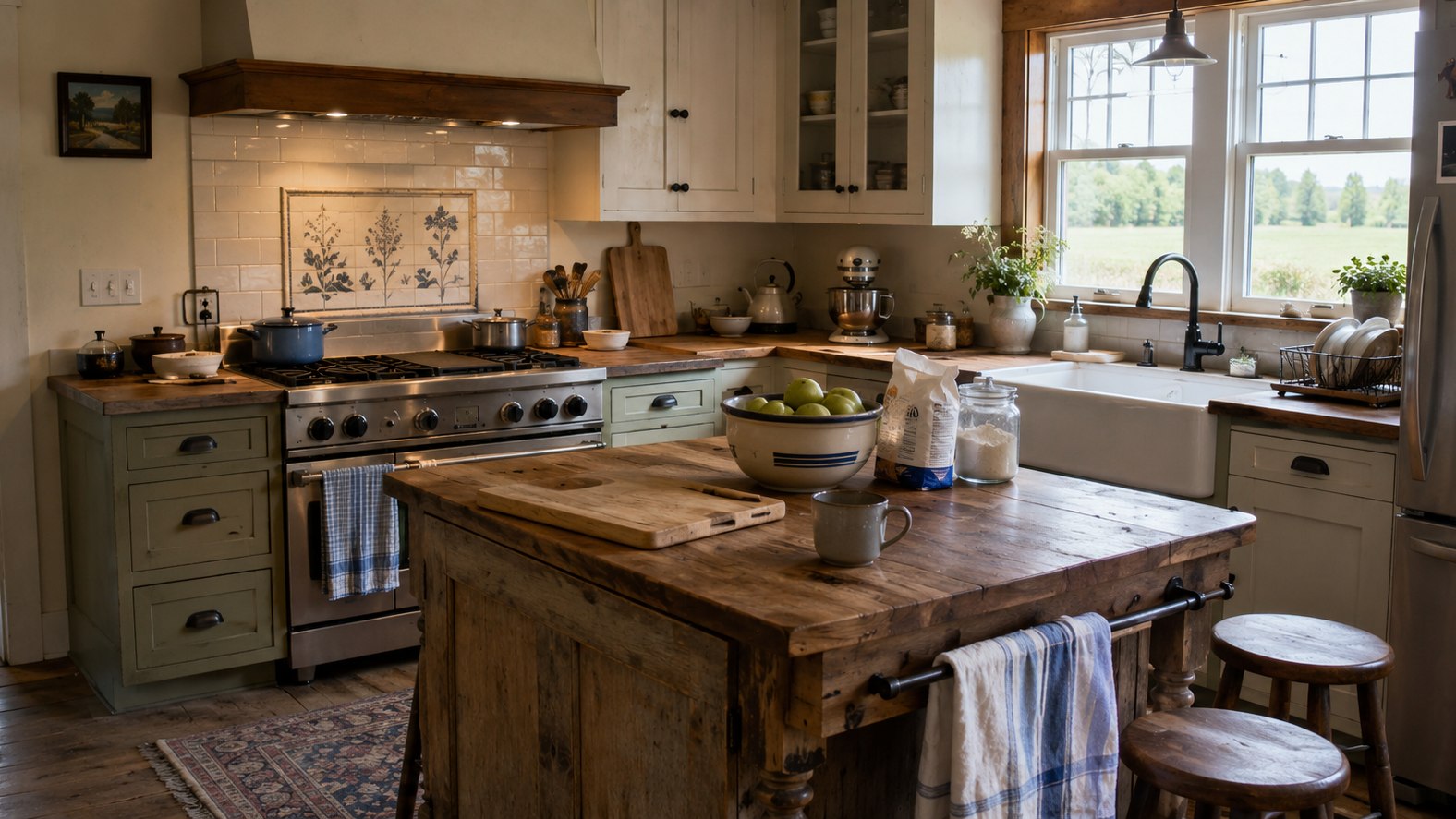
Lots of homes can claim the kitchen as their heart—but arguably none more so than farmhouses. Whether you have the old dark wood panelling or a sleek, modern space, your farmhouse kitchen is well used.
Making bread, cooking dinner, packing lunches, sorting eggs, processing veg, and reheating your coffee three times—you’ll be familiar with all this. And more. Like someone standing in front of the fridge with the door wide open, drinking milk as you politely ask them to close it seven times.
My family and I live on a farm in Flamborough. We know how the kitchen works extra hard in your farmhouse. Aside from all the above, there’s all that extra dirt being tracked in thanks to all that time spent outside.
And that’s my point. Farmhouse kitchens do need cleaning and they do need maintenance—but there’s no need to expect your space to look like the front of a magazine 24/7.
Here are my top tips on where to look to find that hidden grime, so you can keep your kitchen smelling great and hygienic to use.
Cupboards, handles, and appliance fronts
Greasy fingerprints, flour, cooking splashes, and sticky marks build up around handles and edges. Lower cupboards often get the worst of it, especially if you have kids or dogs.
Cupboard doors near the stove, sink, dishwasher, and garbage area usually need extra attention. These are the places that get touched with wet hands, food-covered hands, or “I’ll wipe that later” hands.
Appliance fronts are the same. Fridge handles, oven doors, dishwasher fronts, and microwaves can look clean from a distance but show every fingerprint up close.
A quick wipe is useful during the week, but a proper kitchen clean should include the fronts, handles, edges, and the little corners.
The range hood, backsplash, and stove area
The stove area is one of the biggest grime zones in any kitchen.
Cooking oils, steam, sauce splashes, and dust mix together and create a sticky film. The range hood is especially easy to forget. It sits above eye level, quietly collecting grease until one day I look up and regret my life choices. Oh, and don’t forget those fans and filters. They can get nasty. Use a specific cleaner to degrease these, making sure not to hurt yourself on the fan blades.
The backsplash also needs regular attention, especially behind the stove and around the sink. Tomato sauce, butter, oil, flour, and dishwater splashes can all be cleaned up relatively easily, depending on your surface, or, if needed, removed and re-covered.
Then there are the stove knobs, burner edges, oven handle, and the small gaps between the stove and counter. Crumbs and spills love those spaces. For getting kitchens sparkling as part of a house clean, I have two tools that are very effective in these sorts of spaces, beyond standard microfibres and cleaning chemicals. These are a small-nozzle vacuum attachment and a steamer. Very effective for hard-to-reach crumbs and grease trapped between cracks.
The sink, floors, and pantry areas
Farmhouse sinks handle dishes, muddy vegetables, canning tools, water bottles, pet bowls, lunch containers, and everything else that gets dropped there “just for now”. The sink can collect mineral marks, food residue, soap buildup, and grime around the taps. Hot, soapy water should do the vast majority of the work for you. Use Vim or a chemical specifically designed for your sink’s surface to remove any tough stains.
Kitchen floors in rural homes collect crumbs, dust, paw prints, boot marks, and little bits of whatever else came in from outside. Everywhere gets dirty. A vacuum and a mop are all you need, unless you have a hardwood floor, of course, in which case use specialized floor cleaners. If you want a really deep polish, try using a steam cleaner or getting down on hands and knees and scrubbing by hand.
While you’re here, don’t forget the pantry floors and lower shelves. Flour dust, sugar grains, onion skins, potato dirt, cereal crumbs, dust, and pet hair gather quietly over time. If you store home-canned food, bulk ingredients, animal treats, or extra supplies, the pantry may need a regular reset too.
Keep the kitchen from becoming overwhelming
A busy farmhouse kitchen will never stay perfect. As I mentioned, that’s an unrealistic objective and not the point. You can, however, implement a cleaning routine to keep your space clean, functional, hygienic, and pleasant to be in and get home to.
In my kitchen, my absolute top tip is to clear the counters at the end of each day. I have a space in my cupboards or on my shelves for everything with the exception of the kettle. Because I use that far too much to put it away anywhere.
- Daily farmhouse cleaning: wipe counters, clean obvious spills, rinse the sink, and sweep the main traffic areas.
- Weekly farmhouse cleaning: cupboard fronts, appliance handles, stove area, backsplash, sink, floors, baseboards, and pantry touch-ups.
- After a big day in the kitchen—cooking a big meal, having a family gathering, over a holiday, or a big baking or canning session—do a big reset before the mess hardens into the background of both your home and your mind.
If you’re looking for some help staying on top of your farmhouse kitchen cleaning—as well as the rest of your space—contact us at The Little Mop. Our mission is to help you breathe easy in your space, whether that means regular, fixed-price farmhouse cleaning or organizational services. Let us help you keep your farmhouse kitchen feeling fresh and under control.
Because a kitchen that works hard deserves a proper clean.
Get in touch with us today to learn more or book your quote!
Leave a Reply